
On August 19, 2026, the FTC issued a press release outlining the agency’s proposed Enforcement Policy Statement on personalized pricing putting businesses on notice that using consumers’ personal data to set individualized prices without clear and conspicuous disclosures — including the fact of personalization, its basis, and the data used — may constitute a deceptive

State AG News: Consumer Protection, Antitrust, Environmental Regulation (July 16-August 12, 2026)
Each week, Crowell & Moring’s State Attorneys General team highlights significant actions that State AGs have taken. See our State Attorneys General page for more insights. Below are the updates from July 16-August 12, 2026:
Multistate
- A coalition of 19 attorneys general moved to intervene in a lawsuit against the U.S. Department of Defense (DoD) and Secretary Pete Hegseth, alleging that the DoD unlawfully froze routine national security reviews of land-based wind energy projects across the country, effectively blocking more than 100 wind projects. The coalition argues that the DoD’s “Wind Freeze” violates the Administrative Procedures Act and undermines state sovereign, economic, and policy interests.
- A coalition of 20 attorneys general sent a letter to federal financial regulators to raise concerns about granting national banking charters to financial tech (“fintech”) companies without adequate safeguards to protect consumers and the financial system. The coalition warned that some fintech lenders use predatory tactics to target the financially vulnerable in violation of state laws and that extending banking privileges to cryptocurrency firms and emerging platforms could add risk to the financial system unless safeguards are implemented.
State AG News: Robocalls, Fintech, Administrative Law (July 9-16, 2026)
Each week, Crowell & Moring’s State Attorneys General team highlights significant actions that State AGs have taken. See our State Attorneys General page for more insights. Below are the updates from July 9-16, 2026:
Multistate
- A bipartisan coalition of 42 attorneys general announced a multistate settlement with the bankruptcy trustee for 23andMe, resolving allegations stemming from a 2023 data breach that compromised the genetic data of 6.9 million customers worldwide. The settlement includes $150 million in allowed claims for states, but due to the finite amount of funds in the bankruptcy estate, the court limited recovery to $18 million which will be paid out immediately.
State AG News: Administrative Law, Antitrust, Civil Rights (June 11-17, 2026)
Each week, Crowell & Moring’s State Attorneys General team highlights significant actions that State AGs have taken. See our State Attorneys General page for more insights. Below are the updates from June 11-17, 2026:
Multistate
- A multistate coalition of 20 attorneys general won a lawsuit challenging a federal government order to freeze all permitting for wind energy projects. The United States Court of Appeals for the First Circuit dismissed the Trump administration’s appeal after the administration chose to drop the case, cementing a lower court ruling that the freeze was arbitrary and capricious and contrary to law.
- A multistate coalition of 20 attorneys general filed a lawsuit challenging the federal administration’s alleged imposition of unclear and confusing requirements to end “diversity, equity, and inclusion” initiatives on state agencies contracting with the federal government. The complaint alleges that federal agencies violated the Administrative Procedure Act by failing to provide notice or accept public comments, exceeding their legal authority, and neglecting to adequately explain or justify the new requirements.
Register Now! Large Liability Models? Emerging Tort and Privacy Risks in Chatbots and Generative AI

Register now to join Crowell partners Matt Ferraro, Joanna Forster, and Jennie VonCannon as they explore AI liability, focusing on chatbots and generative AI, recent rulings on product liability in the digital realm, and new laws. This session will provide high-level legal strategies to manage risk and liability across AI applications, including white-label chatbots, virtual assistants, synthetic media, and employment tools. The webinar will take place on Wednesday, July 1, 2026 from 1:00 – 2:00 p.m. PT.
Continue Reading Register Now! Large Liability Models? Emerging Tort and Privacy Risks in Chatbots and Generative AIRegister Now! The Next Frontier — Surveillance & Personalized Pricing Webinar

Register now to join Crowell partners Joanna Forster, Toni Michelle Jackson, and Daniel Leff for a focused discussion on surveillance pricing — what it means for your business, the risks it creates, and the concrete steps you can take now, from reviewing your pricing practices and privacy policies to building a proactive risk management strategy. The webinar will take place on Wednesday, June 10, 2026 from 12:30 – 1:30 p.m. EDT.
Continue Reading Register Now! The Next Frontier — Surveillance & Personalized Pricing WebinarIn Massachusetts, Section 230 Does Not Immunize Meta From Claims That Instagram’s Design Features Injure Children

On April 10, 2026, Massachusetts’ Supreme Judicial Court, the Commonwealth’s highest court, allowed a lawsuit brought by the attorney general of the Commonwealth of Massachusetts against Meta to proceed, stating that Section 230 does not immunize the company from claims that the design of their platforms injure children. Click here to continue reading the
FTC Issues Five-Year Strategic Plan: What Businesses Need to Know
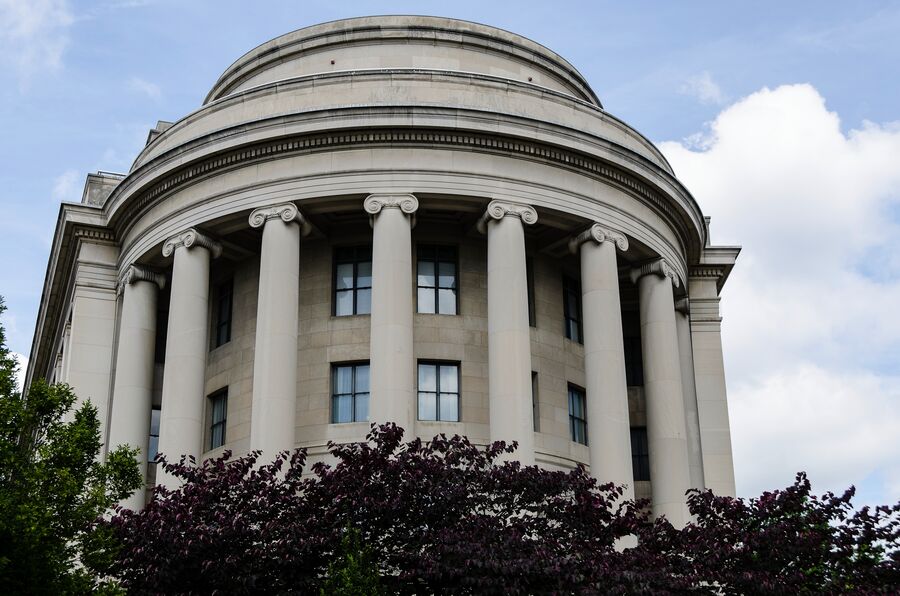
The Federal Trade Commission (FTC) recently released its Strategic Plan for Fiscal Years 2026–2030, setting out the agency’s enforcement priorities and operational objectives for the next five years under Chairman Andrew N. Ferguson. The plan reaffirms the FTC’s commitment to vigorously enforcing the nation’s antitrust and consumer protection laws “without fear or favor.” Critically for
State AG News: EPA, Fuel Pricing, Data Security (March 26-April 2, 2026)
Each week, Crowell & Moring’s State Attorneys General team highlights significant actions that State AGs have taken. See our State Attorneys General page for more insights. Below are the updates from March 26-April 2, 2026:
Multistate
- A coalition of 17 state attorneys general filed a lawsuit against the Environmental Protection Agency (EPA), alleging violations of federal law after the agency repealed stricter limits on mercury and other hazardous air pollutant emissions from coal-fired and oil-fired power plants that were previously outlined in the Mercury and Air Toxics Standards (MATS) Rule. The coalition seeks injunctive relief to reinstate the updated emissions standards, arguing that the EPA’s action endangers public health and the environment and failed to consider advances in emissions control technologies.
New Jersey Proposes Sweeping Ban on Data-Driven Pricing

The New Jersey Legislature is considering two bills, that if enacted, would prohibit business entities from using either consumers’ personal data or “personalized algorithmic pricing” to set prices for merchandise or services, including groceries. If enacted, the new laws would have broad implications for companies across industries that rely on algorithmic or data-informed pricing strategies.